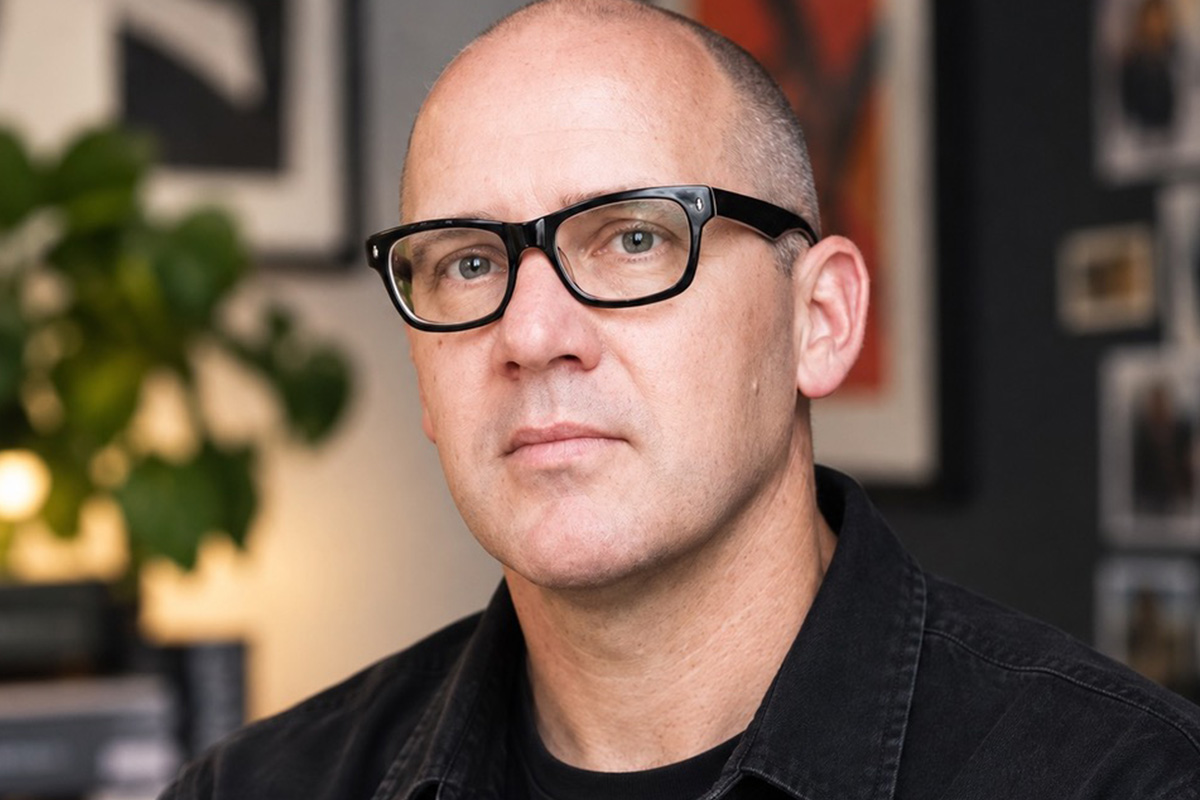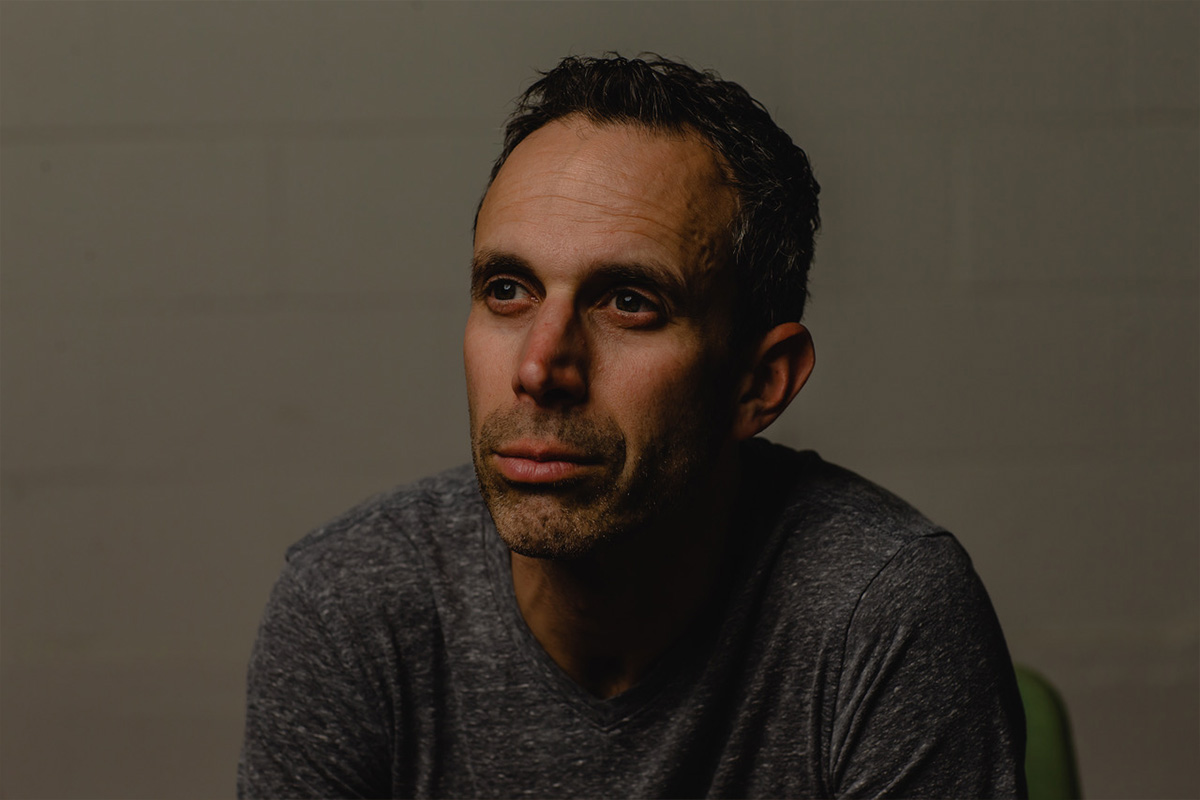




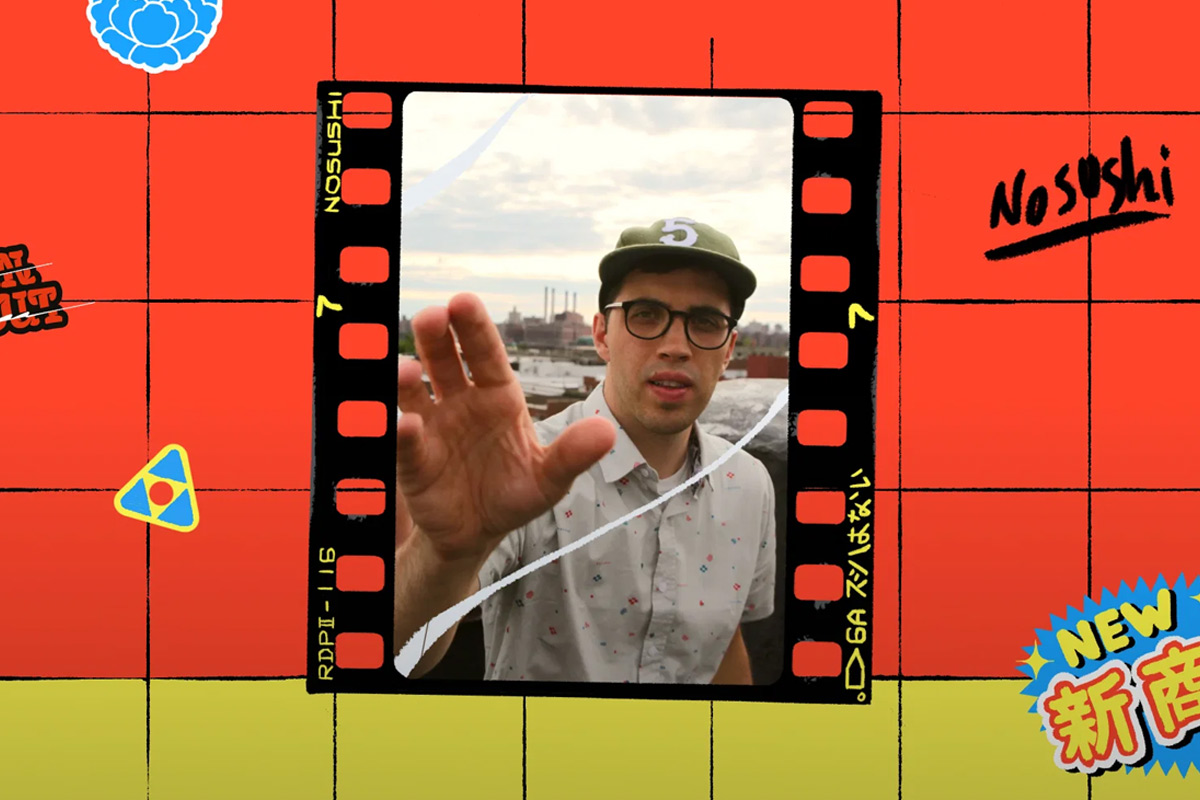
Sofsky's credits include The Last Dance, 100 Foot Wave, Mr. McMahon, Naomi Osaka and the award-winning feature documentary Beware of Mr. Baker. Across stories about elite athletes, musicians and cultural figures, his work has been defined by an ability to find the emotion beneath the spectacle and make audiences care, even when they know little about the subject.
For No Sushi, his signing adds a documentary perspective to a roster of narrative film and television editors, reinforcing the company's belief that the best advertising is entertainment.
““Abhay has a real gift for finding the story inside the material,” says Alexander Jamieson, founder and managing director of No Sushi. “He can take an extraordinary achievement or a larger-than-life personality and find the human experience that makes it relatable. That is hugely valuable for brands that want to connect with audiences through something real rather than something manufactured.”.”
Sofsky came to editing by way of almost every other filmmaking discipline. After film school, he produced, directed, shot and edited low-budget short films, music videos and branded content before realizing that the edit suite was where he felt most confident.
“It was hard to be a good producer without money. It was hard to be a good cinematographer without expensive gear. But with just a laptop, I could be a good editor,” he recalls.
One early influence was American Movie, Chris Smith's documentary about an aspiring independent filmmaker. Its mix of eccentric humour, sadness and genuine affection for its subjects changed Sofsky's understanding of what documentary could do. He had grown up wanting to work in narrative film, but here was a real-life story that felt as funny, moving and unpredictable as anything scripted. Years later, he would get to work with Smith himself.
His first major break came through filmmaker Jay Bulger. The pair met while Sofsky was taking on whatever work he could find, and began collaborating on small projects. Bulger eventually asked him to help produce, shoot and begin editing Beware of Mr. Baker, a portrait of the famously volatile Cream drummer Ginger Baker. The plan was to hand the film to a more experienced documentary editor for the final cut. Instead, Bulger trusted Sofsky to see it through.
The film won the documentary Grand Jury Prize at SXSW in 2012. For Sofsky, the experience provided the confidence and credibility to pursue documentary editing as a career, and soon led to offers from filmmakers who had never met him.
But it was The Last Dance, the ten-part series about Michael Jordan and the Chicago Bulls dynasty, that brought his work into mainstream culture. The series won the Emmy for Outstanding Documentary or Nonfiction Series, while its editing team, including Sofsky, earned an Emmy nomination and an ACE Eddie Award.
The project even inspired a Saturday Night Live parody of a scene he had edited. More importantly, it sharpened his understanding of what makes sports storytelling work beyond the sporting audience.
“You don't need to care about sports or know the rules of the game to care about an athlete,” he says. “The best sports documentaries aren't about the sport. They are about human drama, psychological pressure, pushing limits, fear of failure, and personal growth.”
That conviction carries through his editing philosophy. Rather than trying to fit reality into a predetermined structure, Sofsky starts with an open mind and allows the material to reveal its possibilities.
“My editing philosophy is to follow the material,” he says. “I go in with an open mind, take in the content, and let it dictate where things go. I don't force the material into a preconceived idea that I have.”
Following the material does not mean taking a casual approach to it. In the edit room, Sofsky is known to say that “every frame matters.” He is obsessive about reviewing everything available, even if a hundred hours of footage will ultimately produce a ten-second moment on screen. Somewhere in that material might be the glance, reaction or gesture that tells the audience more than a polished sequence ever could.
His approach also extends to the people in the edit room. Sofsky describes part of an editor's job as acting as a “quasi-therapist for creatives,” helping collaborators navigate uncertainty, test ideas and keep the process constructive.

“I've found that understanding and deconstructing the problems that people are having with the material is more important than forcing their solutions into a cut,” he explains.
That combination of storytelling instinct and collaborative judgement is particularly relevant to advertising, where brands, agencies and directors all need to believe in the work. Sofsky sees an opportunity for documentary editors to help brands find genuine moments rather than impose an artificial emotional response.
“A lot of modern advertising and lifestyle content seems to rely on authentic storytelling,” he says. “Documentary editors excel at building compelling, emotional, and entertaining content that is based in truth. Finding and showcasing that genuine human emotion is much more important than technical mastery.”
As a lifelong New Yorker and Knicks fan, Sofsky points to Josh Safdie's Nike film celebrating the team as the kind of advertising he admires: simple, cinematic and raw, capturing the feeling of a city and its supporters without losing the truth of the experience.
His advice to brands is similarly straightforward:
“I think the goal should be to discover what is special in the truth. Find out what makes your brand unique, likable, or attractive and lean into that.”
Sofsky joins a No Sushi roster whose credits span The Bear, Severance, Shōgun, The Studio, Past Lives, Atlanta, The White Lotus, Industry and Succession. His signing continues the company's effort to connect brands and agencies with screen editors whose expertise extends beyond shaping footage to understanding what makes a story worth watching.