



By Veronica Diaferia & Sara Eolin, Tinygiant
As commercial production becomes increasingly competitive, with fewer projects, tighter budgets and constant discussion of emerging technologies, the role of a production company has to evolve. The companies that will thrive are those investing in creative talent beyond the commercial space, building careers around a balanced long term growth in several genres rather than simply filling production schedules.
The Industry is Changing
The commercial production landscape is currently facing a perfect storm of pressures. Budgets are being squeezed to their limits and competition is more aggressive than ever. Compounding this is an industry-wide preoccupation with emerging technologies like AI, which often dominates the conversation at the expense of human artistry and practical logistics.
It makes sense that production costs have to be commensurate with the amount of people expected to see the content. If you’re feeding algorithms for a small audience, that’s different from a thirty-second spot in the middle of “Grey’s Anatomy.” But to that point, longer form branded content is something AI can’t tackle and is aimed at larger audiences, and this is the light at the end of the tunnel for those dedicated to craft and committed to the sustainable development of the directors themselves and fostering ideas that make our industry thrive.
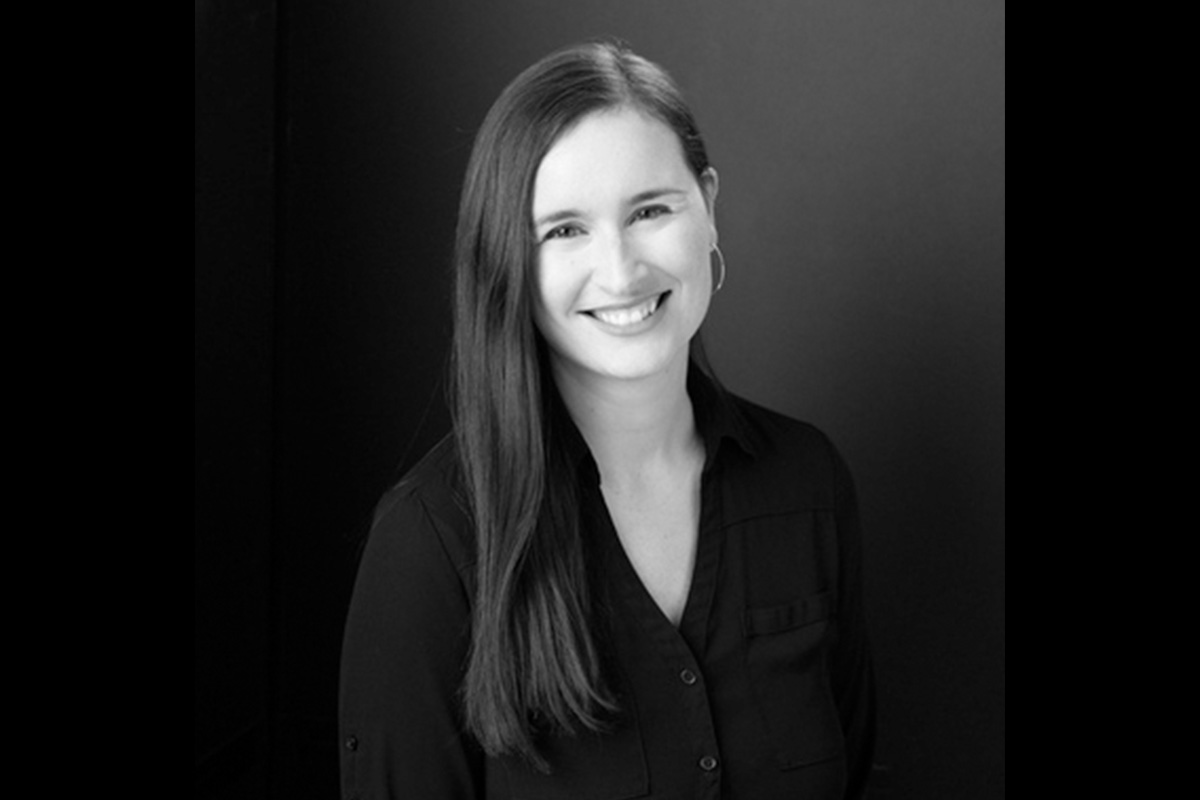
Building rosters by poaching and swapping known commercial directors around different companies isn’t the way to grow any longer. It’s about finding directors with diverse backgrounds that bring different skill sets and storytelling techniques. Jenn Shaw came to Tinygiant from ESPN documentaries with a rich library of short films. The work of Doron Max Hagay, who we found after his stint with “SNL,” includes eight Vimeo Staff Picks and a bitingly smart feature film. It’s a longer game building the traditional commercial reel, but as the traditional fades away the exception becomes more common.
Director Jenn Shaw mixed emotion, music and docu-style footage in this aspirational short for the Children’s Aid Society.
Directors Don’t Work In One Lane Anymore
The traditional boundaries that once separated the commercial world from the realm of feature films have been blurry for a while, and grow even more so daily. :30 spots are often a cut down of something much longer; they start with a five-minute piece that’s the fountain of endless versions.
Today’s directors are fluid, moving across formats throughout their careers to satisfy both their creative ambitions and the demands of a modern audience. Most directors don’t study commercials, they study film craft and tumble into commercials. The boxes directors are put in aren’t created by the directors -- they’ve always seen themselves as nimble storytellers and now, out of necessity to diversify, are breaking out of those confines.
Traditionally, commercial production companies would rep “feature guys” and that would be independent of their business but that too is now changing. Embracing a multi-disciplinary approach is no longer a luxury—it is a strategic necessity to retain top-tier talent who refuse to be pigeonholed. From indie shorts and features to the increasing demand for longer form “advertainment,” the nimble storyteller is able to revel in a new sandbox.
Many directors are formally trained in longer format and have had that as their professional northstar, and dabble in commercials along the way. Commercial companies traditionally would only make commercials and block off their schedule when they’re off on a feature, but now, their commercial company is very likely a producer of the non-commercial, entertainment-focused work, too.
A Different Model
At Tinygiant, we built our model on the belief that nurturing directors across different formats is the only way to build lasting value, as well as satisfy the creative ambitions of the directors and producers. Through initiatives like our Next Big Thing program, we actively champion young talent and provide them with a platform to grow beyond the thirty-second spot. This model allows us to support our directors’ growth and exposure to the commercial world, ensuring they remain creatively active and engaged.
More so, establishing a dedicated features division was never intended as a departure from our commercial roots; rather, it has significantly strengthened our core business. Not only does it diversify our happiness and creative prowess, but by facilitating long-form projects, we help our directors materialize their dreams and stoke their true filmmaking passion, which in turn brings a deeper level of narrative sophistication to their commercial work.
And frankly, notoriety and “cool factor” help cut through bid pools. Director Doron Max Hagay, who we got to know through producing his breakthrough feature, “She Keeps Me Young,” has found commercial success in non-traditional projects. Flexing his experience from “SNL” and series TV like “Hacks,” Doron has benefitted by commercial work looking more and more like sketch comedy and series work.
An excerpt from Doron Max Hagay’s black comedy “She Keeps Me Young,” which has its world premiere at the Tribeca Film Festival.
The Commercial Value of Feature Filmmaking
There is immense commercial value in feature filmmaking that directly benefits the advertising world. Feature work allows directors to develop a distinctive creative voice and earns them a level of industry recognition that a standard showreel cannot provide.
Agencies and brands are increasingly seeking out filmmakers who possess a unique perspective and the ability to craft compelling narratives. Radical Media has been doing this for years on a scale that seemed untouchable to smaller shops. The independent film landscape is now one that makes commercial shops’ scrappy nature perfectly poised to excel, not just from its directorial talent, but also from the producing prowess that comes from the diversity of situations found in the commercial world.
Success in the feature space creates a halo effect, attracting high-profile commercial opportunities that demand a “feature film” aesthetic and sensibility. Vertical series are skyrocketing, and while the phrase “branded content” has been around for decades, it’s starting to actually take shape into true series and features. Creating an emotional connection to audiences resonates more fully in narrative stories.
The Future Isn’t Choosing Between Commercials or Features
Ultimately, the future of our industry doesn’t require a choice between commercials and features. As the media landscape continues to evolve, the defining characteristic of a successful production company will be its ability to nurture talent, not simply produce content. By prioritizing the creative trajectory of our directors, we ensure both the business longevity and the creative vitality of the company. The future belongs to those passionate creators who view filmmaking as a single, expansive craft, where every project, regardless of its length or intended audience, contributes to a larger, more impactful career.
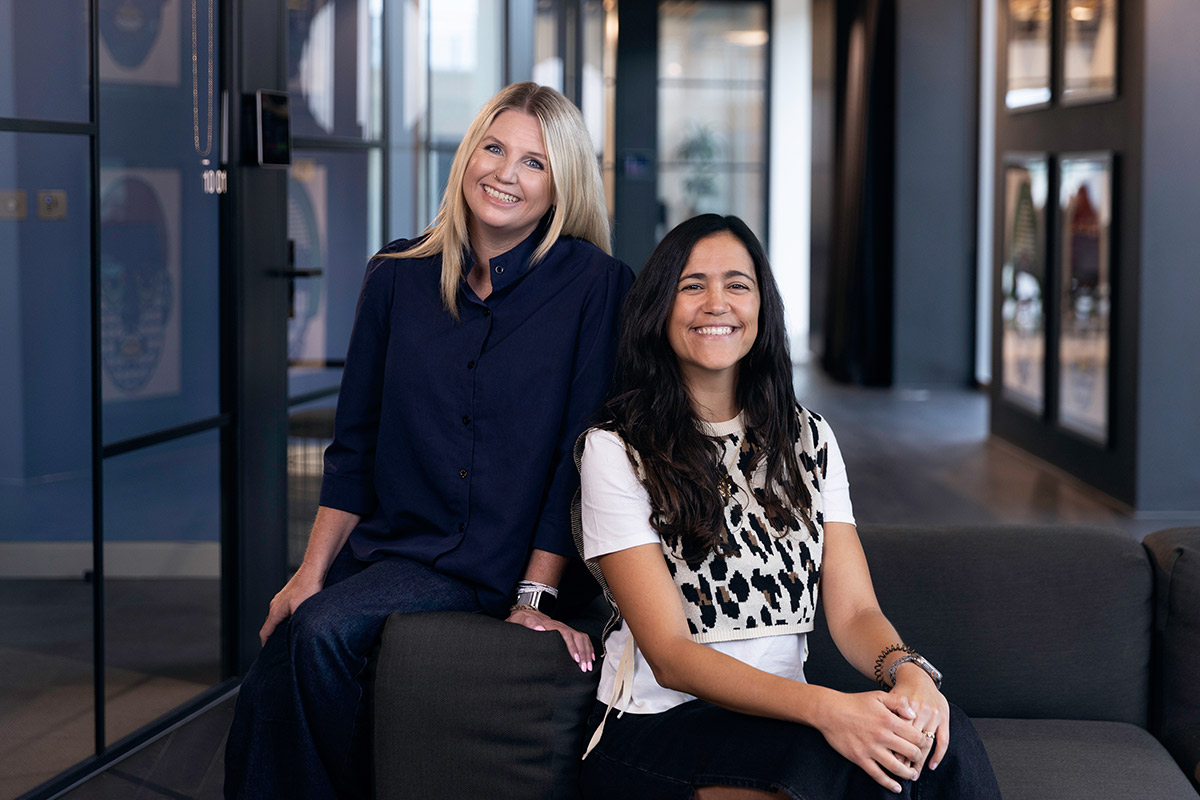
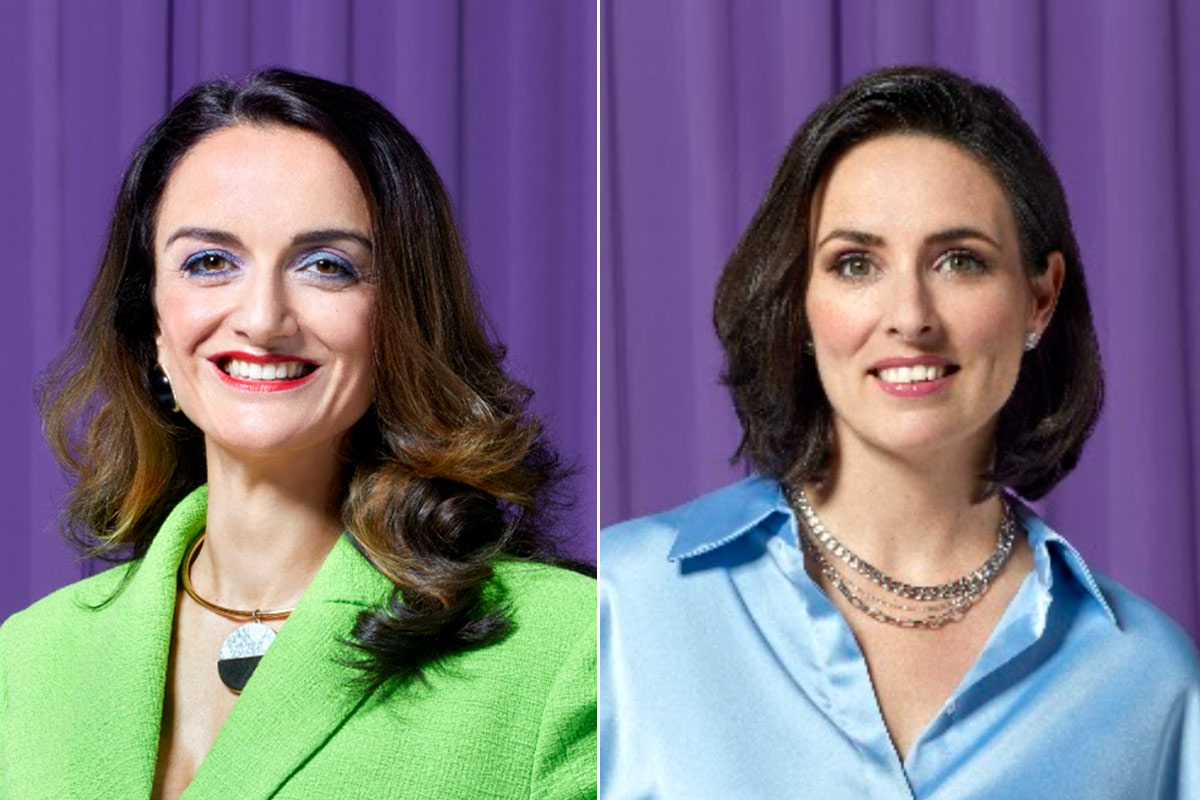
Veronica Diaferia (pictured above, left) is the Founder and EP at Tinygiant. Previously, she worked at such leading production houses as Moxie Pictures and hungryman. Her personal motto, “Mining is harder,” is a daily reminder that production can and should be taken lightheartedly.
Sara Eolin is Partner and EP at Tinygiant. With a background in agency production, including a HoP stint at Lowe Worldwide, she was previously one of the founding partners of Rocket Film and an EP at Aero Film. She was also a founder of the post/VFX studio Parachute. The short films she produced have been honored at the Tribeca and AFI Film Festivals, and she’s been nominated for a Webby Award, but lost out to the Muppets.