



Think about how often you’ve seen depictions in movies and TV shows of recording artists and producers sitting behind the console in the recording studio, working on some kind of track. How often have the mixers been women? Once? Twice? Never?
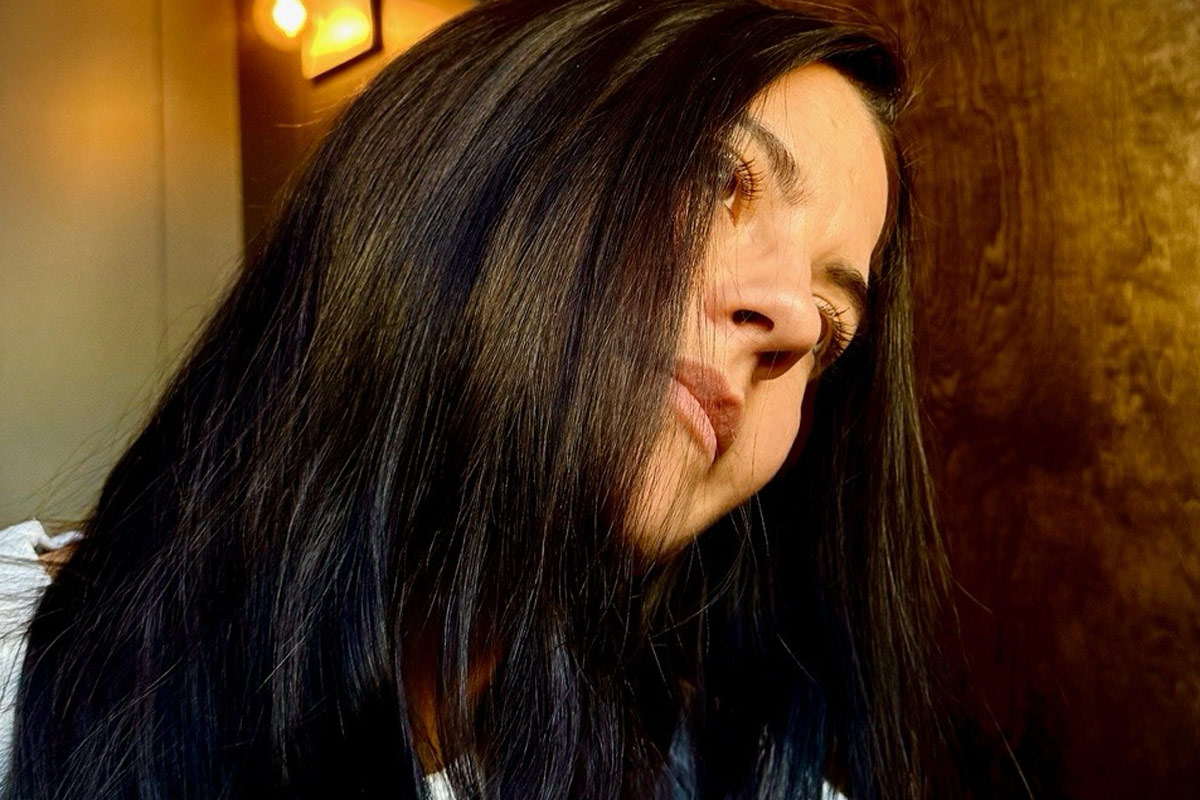
Audio post seems to be one of the post production arts that’s still a boy’s club, but at Sonic Union in New York, that’s not the case, since that’s where you’ll find the veteran mixer Julienne Guffain at the board. Since joining the company in 2019, she’s gone on to mix some of the vaunted studio’s most high-profile work, including spots for Supercell, Ford, Jim Beam, Google, Coke, OpenAI, McDonald’s and Verizon, to name but a few.
A graduate of NYU’s Tisch School of the Arts, she got her start in audio mixing while working on student films, going on to launch her career at Hobo Audio. She spent time as the resident audio mixer at the award-winning creative editorial house Crew Cuts, too, an unusual spot for a mixer and one that’s gone on to influence the way she approaches her work.
In addition to her work for brands and agencies, Julienne also mixes short films and documentaries, a practice that she says lets her expand her creative chops beyond the limits that commercials can present. The Howler reached out to her recently to find out what she finds most gratifying about her work in audio post. Here’s what she told us.
Where did you grow up? And where did you go to school? What initially drew you to audio post and mixing?
Julienne Guffain: I was born and raised in Northern Virginia. My high school had a film and TV program, which is where my interest started. Then I went off to study film at NYU. Freshman film students were required to take an audio course, and I happened to be in class with a bunch of super creative kids that inspired me to explore post audio further.
Who mentored you when you were coming up? Who were your audio role models?
Julienne: In high school, shoutout to our film department director, Allen Fisher, who gave us young punks a long lead to be creative and explore the medium (🙂). At NYU, I had three stellar professors – Marsha McKeever, Mark DeSimone, and Jason Chandler. All were incredible mentors.
Certain roles in our industry still seem pretty male-oriented. How was it for you coming up as a woman behind the console?
Julienne: Ha, I’m not sure I can repeat some of the things that have been said to me as a woman in this role. Thankfully, times have changed, and there are many women coming up in industry now, so it's not so much an anomaly.
How did your experience as an audio mixer embedded with editors influence your career? What lessons did you take away from that?
Julienne: Crew Cuts was a great time in my career. Being the only mixer at an editorial shop forces you into confidence you might not have had before. Though I had some incredibly talented assistants while there, it was a good stepping stone for me to hone my craft.
Your family hails from Puerto Rico. How does your cultural background influence your work? What aspects of it do you apply to your work as a mixer and sound designer?
Julienne: I am Puerto Rican, but I never lived there. My father is from there, and we spend a lot of time there as a family. But one thing from my background that has helped was that I was the only girl in my family, and so coming up in a male-dominated industry was not foreign to me, as my family was also male-dominated.
What’s on your playlist – what music and which artists move you the most?
Julienne: I'm an Aquarius, so nothing is off the table. My playlists seamlessly follow between folk, country, hip hop, ambient and pop. I love them all and listen to just about everything except emo…sorry to any emo fans out there, but I just can’t.
Media formats are exploding, deliverables are all over the place and AI is peering over everyone’s shoulder. Given this, what are the biggest challenges facing mixers and sound designers these days? Conversely, what brings you the most joy?
Julienne: The biggest challenges today have to be just keeping track of the growing list of deliverables on any given job. There are so many platforms with different requirements that, more and more, our job seems to be spent in spreadsheets rather than in ProTools.
I get the most joy where I have plenty of time to just dig into the material and explore. I love a good challenging dialogue edit or rebuilding sentences. Some find it tedious, but I love making a cobbled sentence come together. I also do a lot of short film work, and that always satisfies the creative itch.
What are some of your most notable jobs of late? What made them stand out?
Julienne: I’m currently working on some short films that I think are really great and represent very different genres, so I get to hone different skills on each. On the ad side, there are a ton of newer smaller agencies popping up that are doing cool work. It's been great meeting new creatives in the business and helping them bring the vision to the screen.
You’re surrounded by a crew of top talents at Sonic Union. What’s the vibe like? How would you describe the company’s culture?
Julienne: Our team of artists and producers at Sonic Union are amazing. I followed them from the day they opened and always told myself I would work there one day. Now, seven years into my time at Sonic, and it’s just as good as I imagined. The studio is like being at school, where we all share tools, tips, and techniques. It's a very collaborative environment that never lets you feel alone, and I love that.