The Fans Come First: Why the Best World Cup Marketing Couldn’t Be Scripted
This hidden camera expert explains the secret sauce of fan passion and unpredictability that makes real person ads turn into magic moments.
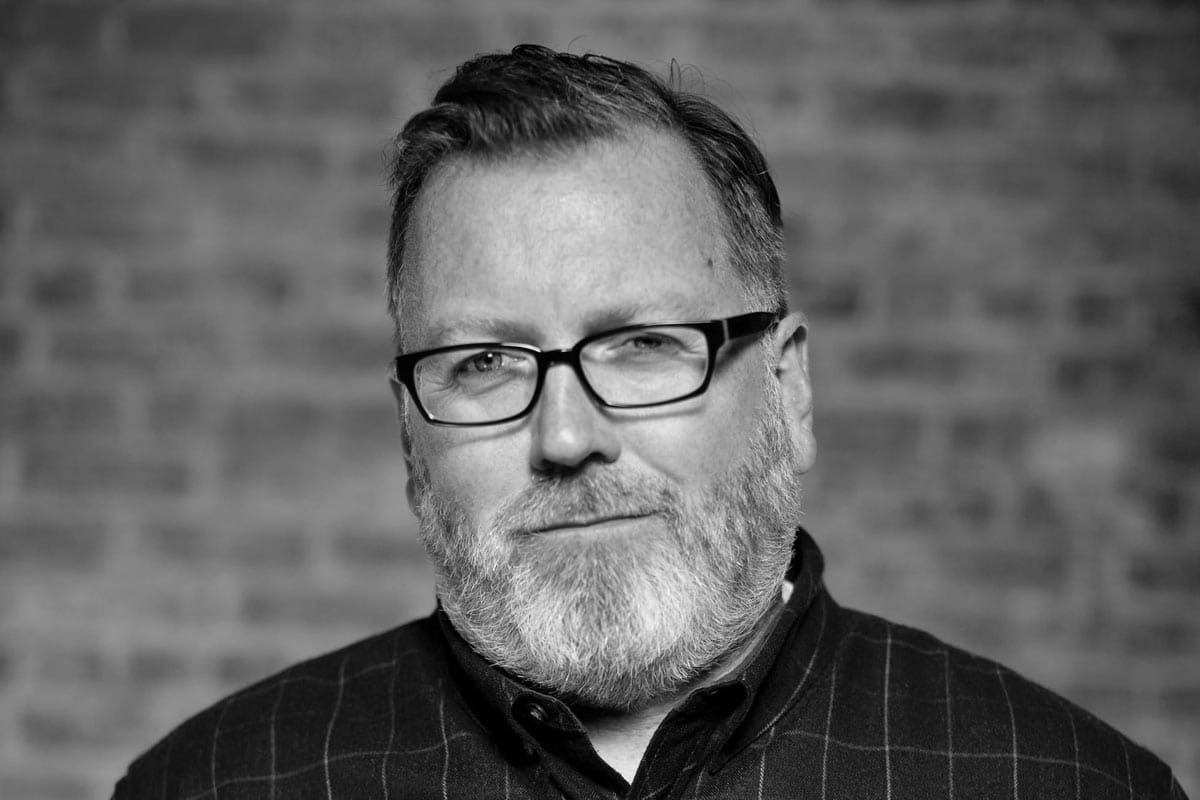
By Andrew Lane, Director, Washington Square Films
As fans, we knew we were going to get inundated with ads during the World Cup. It comes with the territory. The question isn’t whether a brand shows up. It’s how it shows up.
Do they try to manufacture passion, or do they reward the passion that already exists?
When they aren’t on the pitch, most fans experience their favorite players from a distance; through press conferences, polished commercials, highlight reels, and carefully managed interviews. They know everything about them, yet they’ll probably never meet them. These athletes exist almost like modern mythology: larger-than-life figures who seem to live just beyond reach. The idea of them popping into your neighborhood pub, or grabbing the seat next to you on a plane, feels almost unbelievable.
That’s what made the “Lay’s No Game” and American Airlines “Spot the Bag” World Cup campaigns built around real football fans so compelling. For a few minutes, the myths became tangible. The athletes stepped into the fan’s world instead of the other way around, and because neither side knew exactly what was about to happen, those interactions couldn’t be manufactured. You weren’t watching an actor meet a football icon, you were watching years of admiration collide with the person who inspired it.
My job as the director isn’t to manufacture emotion, it’s to create the opportunity for emotion that’s already there to rise to the surface. I think that’s why these encounters resonate far beyond the people who were in these spots. Every fan watching ends up asking themselves the same question: What would I do?
And I think the athletes enjoy these campaigns too.
Most of the time, they’re just asked to read a line, kick a ball, hold a product, or hit a mark. There’s nothing wrong with that, but it rarely shows why fans fell in love with them in the first place. These real person campaigns give them room to joke, improvise, react, tease, and let their natural personalities come through.
Thierry Henry is the perfect example. In these Lay’s spots, he isn’t acting. He’s just being Thierry. And Thierry is incredibly cool and very funny.
That changes my job as a director. I’m not trying to pull a performance out of someone. I’m trying to create the conditions where one happens naturally.
People often describe these campaigns as experiential, but I think they’re experimental as well. You can spend months planning every detail, but the best moments are always the ones you never saw coming. The director’s job is to build the framework, give the story a few gentle nudges, and then get out of the way. Real people have a funny habit of taking an idea somewhere better than you imagined.
The first year of “No Lay's, No Game,” a fan disappeared into his house and came back holding two potatoes. He offered to make Thierry homemade potato chips if he'd stay to watch the match. Inside the production van, we were crying with laughter. None of us saw it coming. More importantly, neither did Thierry. He played it perfectly because Thierry wasn’t playing a character. He was simply reacting like anyone else would. You can’t script moments like that. You can only create the opportunity for them to happen.
That’s the difference between creating advertising and creating stories. Long after the tournament is over, fans won’t remember every commercial they saw. They’ll remember the fan who offered Thierry Henry two potatoes to stay and hang out with him, or the fan who wept when Messi left the bar because there were no Lay’s, and they’ll wonder what they would do if their hero showed up at their door or sat next to them on their next flight.
And that’s when marketing stops telling the story and becomes the story.
Andrew Lane, who shoots for Washington Square Films, is known for a directorial style that fuses multi-camera technical execution with compelling narratives. He’s applied his background in reality TV to create memorable ads for brands such as Lay’s, Google, Mountain Dew, Allstate, Stella Artois, Diesel, and Bud Light. After studying advertising in UT Austin he began his career with a brief stint on the agency side as a copywriter before making his way to New York and building up hidden camera credits for brands and TV shows including “Top Chef,” “Project Runway” and “Storm Chasers.” His advertising work has been honored with Cannes Lions for such projects as States United to Prevent Gun Violence and for Diesel’s “Go with the Fake,” which tackled counterfeit culture head-on.